SupaSailing

Yacht Captain

Software that gets out of the captain's way — paperwork in minutes, crew & maintenance in one place, ready when guests step aboard.

Built-in
ISM logs
One screen
Crew roster
Saved per guest
Guest profile
Weather-checked
Voyage planning
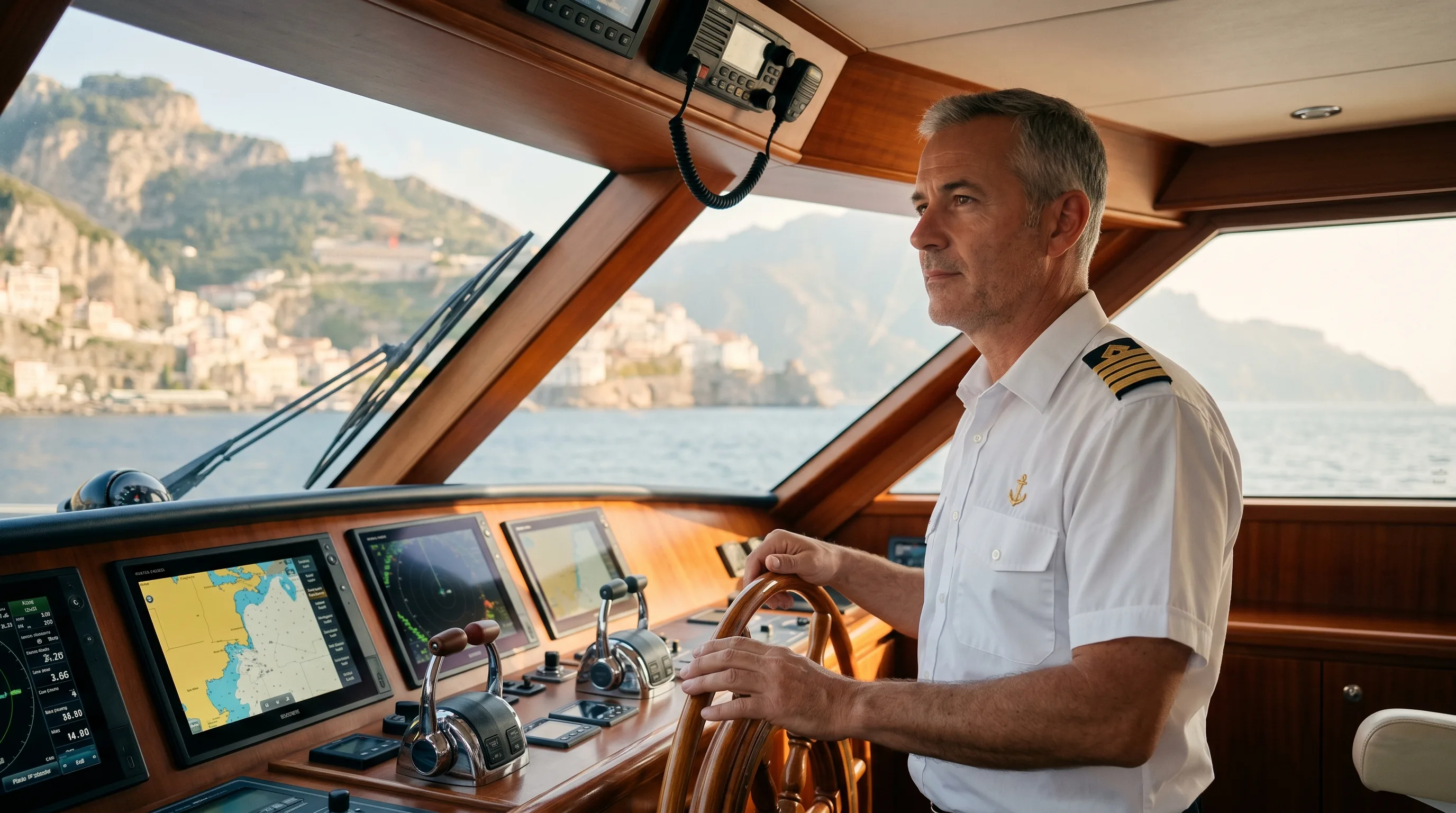
Yacht captain in white uniform standing at the bridge of a 35-metre motor yacht with navigation chartplotter visible

A yacht captain is in command of vessel, crew, safety, navigation, guest experience — and accountable to the owner, the class society, the flag state and the broker simultaneously.

Command, broad and deep

A captain is responsible for every aspect of the vessel — and is the legal point of accountability when something goes wrong. That breadth makes paperwork burden particularly painful when it crowds out command attention.

  • Safety of vessel, crew, and guests
  • ISM, MLC, flag-state compliance
  • Navigation and voyage planning
  • Crew discipline and well-being
  • Guest experience and confidentiality

The paperwork problem

Captains often spend 15-25% of their time on paperwork that legacy systems make slower than necessary — and a captain doing paperwork is a captain not commanding.

  • ISM drills, checks, logs
  • Crew certification + revalidation
  • Maintenance logs + work orders
  • Owner reports + APA receipts

The 2026 reality, by the numbers

15-25%
Of a captain's time on paperwork (typical)
20+
Crew certifications to track per officer
500h
Standard major service interval
72h
Pre-embark window for guest handover

Crew rotation and continuity

A captain rotates crew several times a season. Each rotation is a knowledge transfer risk if institutional history lives in someone's head or a hand-over notebook.

  • Standing orders and vessel-specific procedures
  • Vendor relationships and supplier history
  • Guest preferences from previous charters
  • Open work orders and known quirks

What separates calm captains

Captains who stay calm through August share a pattern: one system holds the vessel's operational truth, so handovers, audits, and owner conversations are quick and unambiguous. See the full Fleet module for the operational scope.

Typically found inside

Private YachtsCharter YachtsManagement Company VesselsRefit & Delivery CaptainsMulti-Vessel Owner Groups
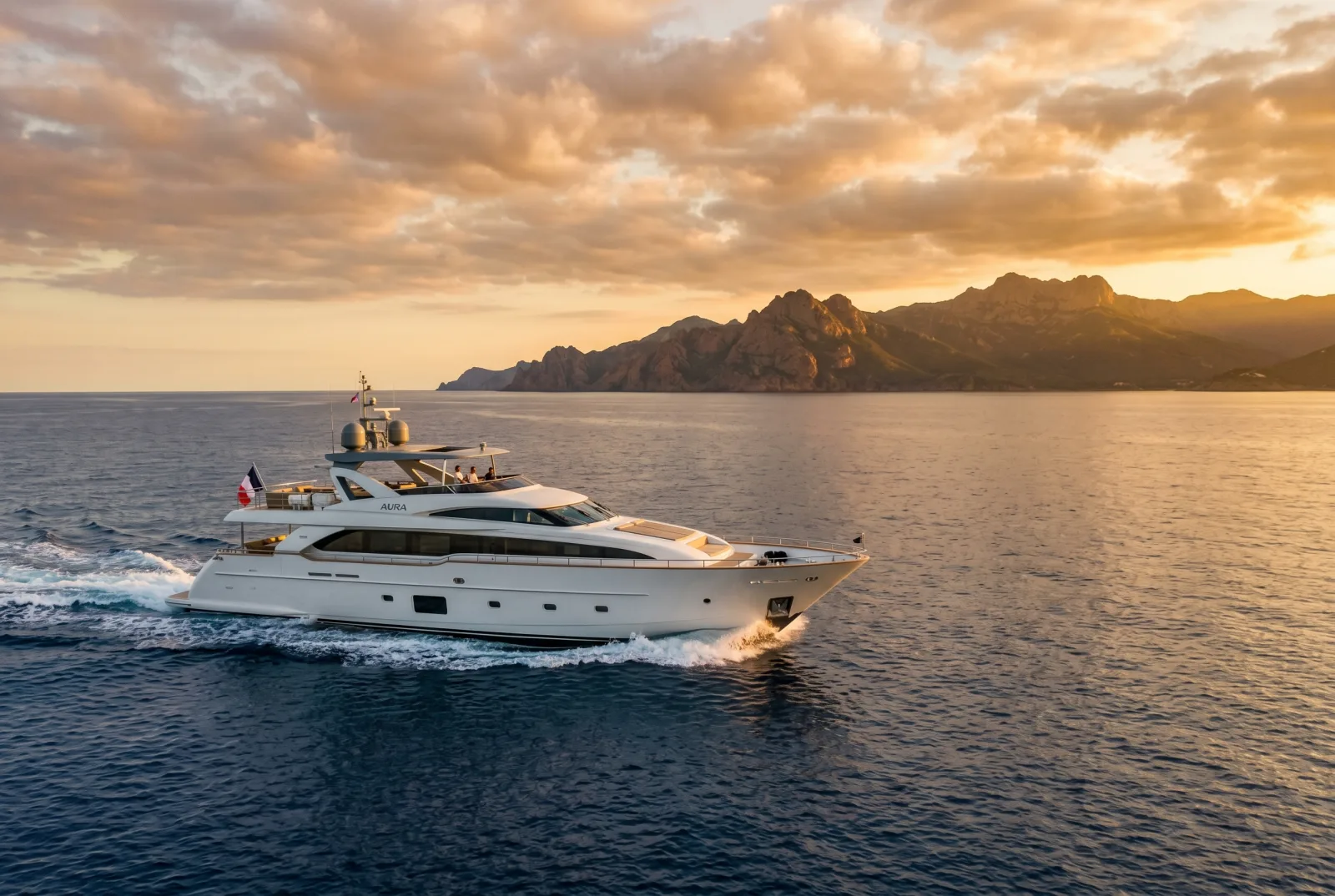
Luxury motor yacht underway in calm Mediterranean seas at golden hour
A captain's job is not paperwork — but the paperwork is what gets them fired. Tools that remove the friction matter.
Daily reality

What this role faces every week

Recurring friction points that distract captains from command — almost all reducible with the right tooling.

Paperwork during command hours

ISM logs and maintenance entries need to be made when the events happen, not catch-up at end of day.

  • Drill records + crew briefings
  • Defect logs + corrective actions
  • Daily fuel + bunker entries

Tooling that lets the responsible person enter once and move on is the gold standard.

Crew certification chaos

Tracking 15-25 certificates per officer across multiple flag states and class society notations gets out of hand fast.

  • STCW, ENG-1, GMDSS, ECDIS, AEC
  • Vessel-specific endorsements
  • Flag revalidations

An expiry alert 90 days out is worth more than an annual audit panic.

Crew handover friction

Rotation handovers are where institutional knowledge leaks — and the consequences show up weeks later.

  • Open work orders not transferred
  • Guest preferences not captured
  • Vendor history not visible to the new officer

Maintenance log fragmentation

PMS, defect log, vendor invoices, class survey items all live in different systems or notebooks.

  • Engine room defect log (handwritten)
  • PMS spreadsheet (engineer)
  • Vendor receipts (purser)
  • Class survey items (manager)

Voyage planning under constraint

Weather + regulation + guest preference + fuel logistics + crew rest cycles + permits — too many constraints for a sticky-note system.

Owner & manager communication latency

A captain's update reaches the owner via the manager via an email. Three hops, latency at each step, ambiguity introduced.

What SupaSailing does

Built around this exact workflow

SupaSailing's fleet module is designed so the captain enters information once — and the manager, owner and engineer see the right view of that information automatically.

ISM logs & drills

Drill scheduling, completion logging, corrective actions — all timestamped and audit-ready.

Crew roster & certifications

Every officer, every certificate, expiry alerts 90 days out.

Guest profiles & preferences

Dietary needs, activities, medical notes and cabin requests are saved per guest and reused on every trip, and print as a guest list PDF for the crew brief.

Maintenance log & work orders

Single defect log + PMS workflow. Logged once, taken to closure by the engineer, visible to the manager.

Trip planning with a weather check

Itinerary stops, a passage plan (charts, waypoints, tides) and a per-leg forecast of wind, gusts and waves with the best departure window.

Duty roster & hours of rest

Crew submit their hours of rest, MLC breaches are flagged, and the duty roster sits on the same crew record — nothing to rebuild at rotation.

Audit-ready exports

Class society or flag-state audit? ISM records, PMS history, logbooks and hours of rest export to PDF or spreadsheet.

Notifications without noise

Choose which modules notify you and when your daily summary arrives. Telegram only pushes what is addressed to you or urgent.

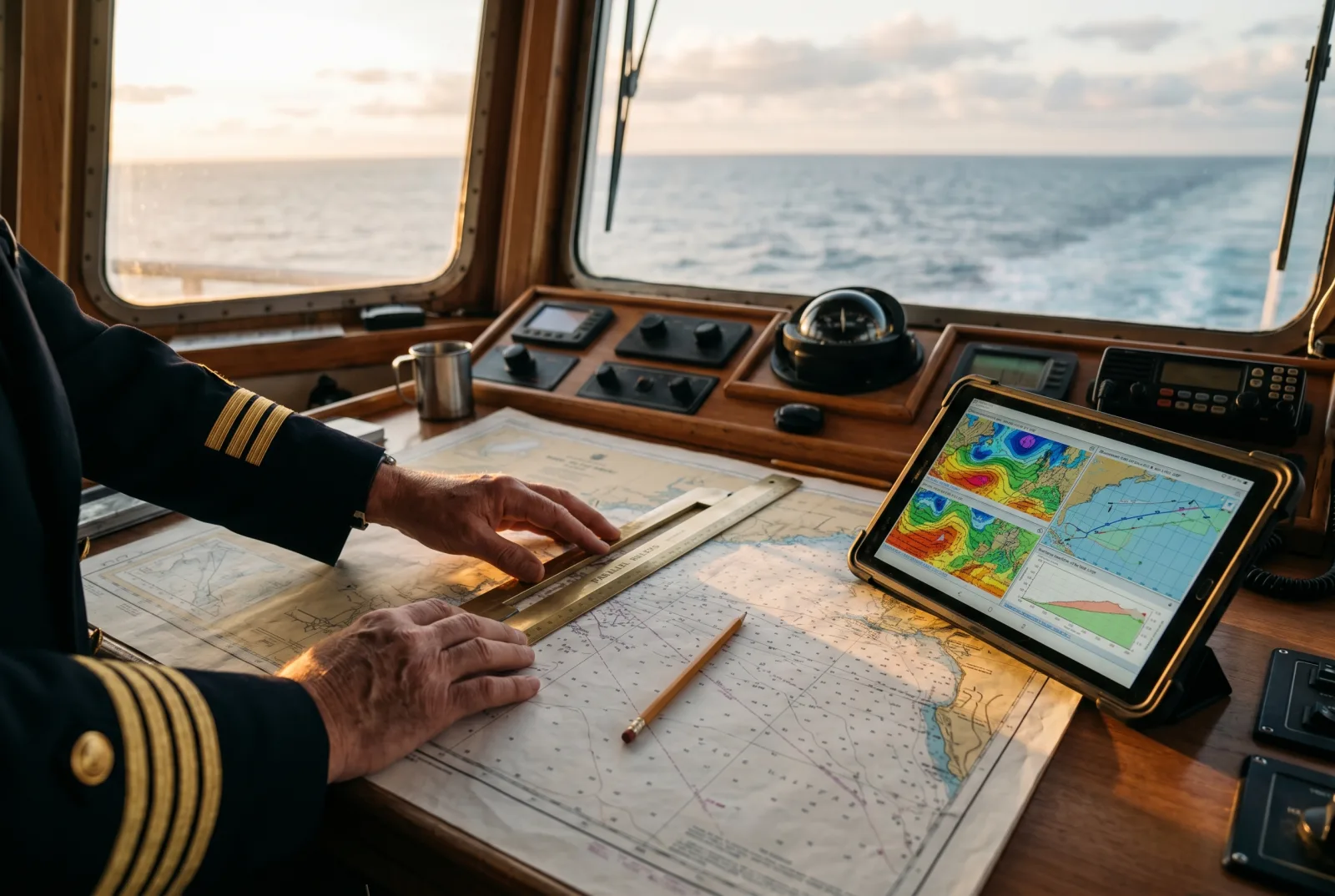
Captain's hands on a navigation chart and weather routing tablet at the bridge
Voyage planning sits at the intersection of weather, regulation, guest preference, fuel logistics — held coherently or held badly.
How it works in practice

A typical workflow with SupaSailing

A representative week for a captain operating a charter yacht on SupaSailing.

  1. 1

    Monday — Daily log open

    Captain opens the platform on the bridge tablet. Yesterday's entries already captured, today's schedule visible.

  2. 2

    Tuesday — Drill day

    Fire drill conducted. Log entry made on the spot from a phone, signed off, attached to ISM record.

  3. 3

    Wednesday — Guest profile arrives

    Next week's guests are added to the trip from their saved profiles. Preferences from previous charters carry over, captain reviews and notes any concerns.

  4. 4

    Thursday — Engine defect

    Chief reports a defect. Logged once — assigned to the engineer, visible to the manager without a phone call.

  5. 5

    Friday — Voyage plan

    Itinerary for the next charter set up, each leg checked against the forecast for wind, gusts and waves. Captain refines and confirms.

  6. 6

    Saturday — Embark

    Guest list with dietary requirements printed as a PDF. Crew brief prepared from the platform, not from scattered emails.

  7. 7

    Sunday — Owner update

    The owner opens their read-only owner view: trips, defects, spending against budget. An optional weekly digest email covers the rest. No email chain.

Operational impact

Where the difference shows up

What captains typically notice after moving from a paper + Excel + WhatsApp stack to one shared platform.

Reduced

Time on paperwork

Logging once instead of three times in three places frees up command time.

Flagged early

Certificate expiries

Reminders start 90 days before expiry, closing the most common cause of vessel detention.

Higher

Crew handover quality

Open defects, jobs and guest preferences stay in the platform when crew rotate, not in a notebook.

Records on file

Audit prep

Entries logged as they happen and exported to PDF remove the panic before class society visits.

Before / after

Manual workflow vs SupaSailing

Aspect
Manual workflow
With SupaSailing
ISM logs
Notebook + monthly transcription
Captured at the moment, audit-ready
Crew certifications
SharePoint folder of PDFs
Database with auto expiry alerts
Maintenance defects
Engine room whiteboard
Logged once, assigned to the engineer
Guest preferences
Email + Word doc from broker
Saved per guest, reused every trip
Voyage planning
Charts + weather app + permit list
Itinerary, passage plan, leg weather
Handover at rotation
Hand-written notebook
Open jobs and history stay in the platform
Owner updates
Manager-mediated email
Direct visibility in owner portal
Frequently asked

Questions about SupaSailing for this role

See SupaSailing on your actual workflow

30-minute demo tailored to a yacht captain's real use case. If a different platform is a better fit, we'll say so.