How to Become a Yacht Broker: Licence, Commission and Earnings (2026)
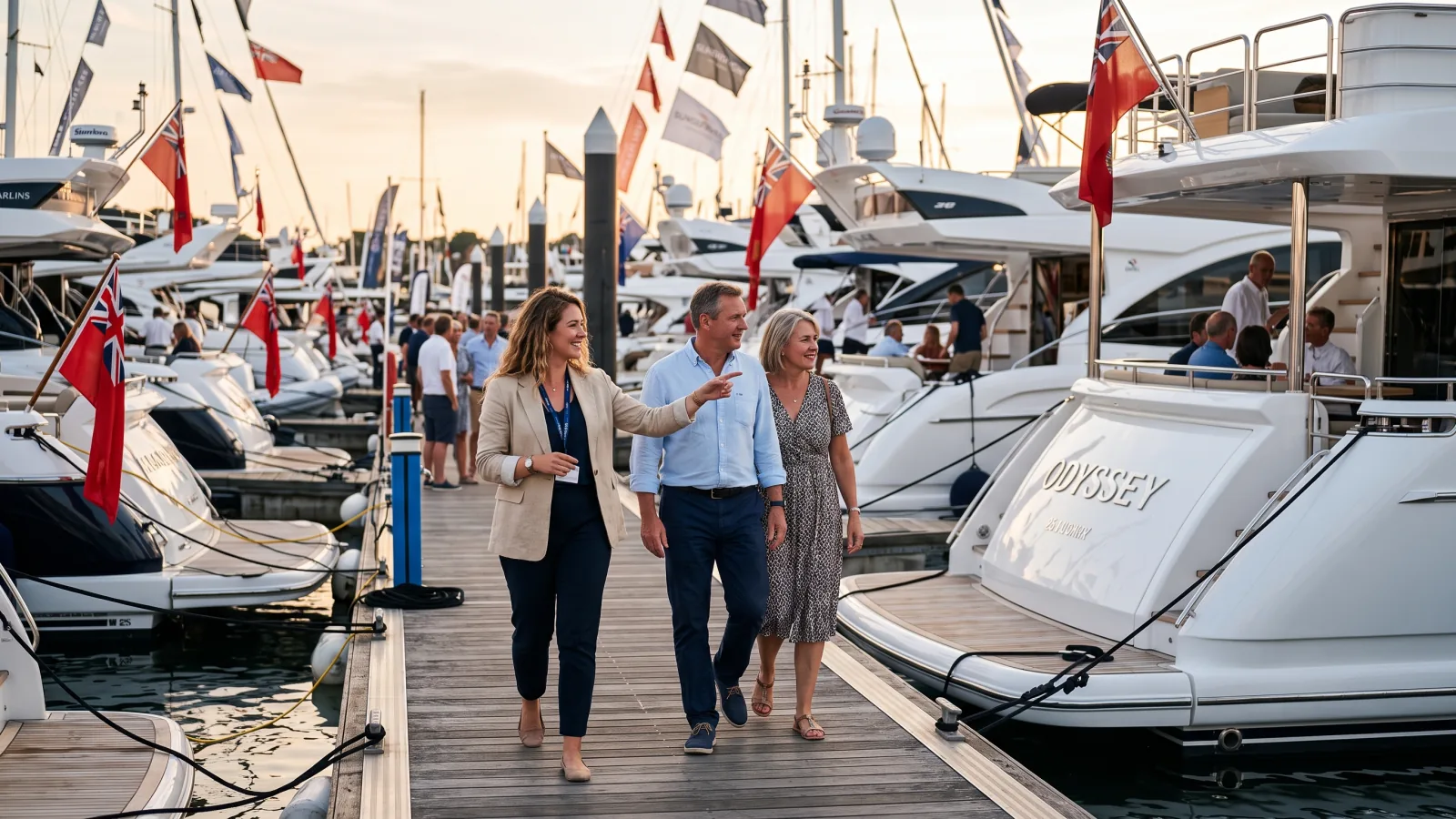
Yacht brokerage looks like one of the most attractive careers in the marine industry: boat shows in the Mediterranean and Florida, clients who love the sea, and commissions measured against the price of a yacht. The reality is more demanding and, for the people who stick with it, more rewarding than the glamour suggests. This guide explains what a yacht broker actually does, the routes into the profession, where licensing is required, how commission works and what shapes a broker's earnings in the first years.
Key takeaway: yacht brokerage is a sales career built on trust and product knowledge. The brokers who last combine a real understanding of boats with the discipline to follow up every lead, every listing and every deal.
What Does a Yacht Broker Do?
A yacht broker is an intermediary who helps people buy and sell yachts. Brokers do not usually own the boats they sell. They represent a client, either the seller or the buyer, and are paid a commission when the transaction closes.
In practice, most brokers work in one of two roles, and many switch between them depending on the deal:
- Listing broker (seller's side): signs a listing agreement with the owner, values the yacht, prepares the marketing, handles enquiries and negotiates on the seller's behalf.
- Selling broker (buyer's side): helps a buyer define what they need, searches the market, arranges viewings and sea trials, and guides them through survey and closing.
Some brokers specialise further, for example in new yachts from a specific shipyard, in superyachts, in sailing yachts or in a particular region. Charter brokerage is a related but different career, focused on arranging charters rather than sales.
A Typical Week
The work is far more varied than showing boats at a boat show:
- Calling back leads from listing portals, the brokerage website and personal referrals.
- Visiting yachts to take photos, record specifications and assess condition.
- Preparing valuations based on comparable sales and the state of the boat.
- Showing yachts to buyers and organising sea trials.
- Coordinating surveyors, lawyers, registries and escrow for deals in progress.
- Staying in touch with past clients, who are the main source of future business.
Skills That Make a Successful Yacht Broker
There is no single profile, but successful brokers tend to share the same core strengths:
- Product knowledge. Buyers expect a broker to understand hull types, engines, systems, layouts and the reputation of different builders.
- Sales discipline. Most deals are won by consistent follow-up over months, not by a single conversation.
- Negotiation. Price, survey findings, inventory and delivery terms are all negotiated, often across time zones.
- Organisation. A broker may be managing dozens of listings and leads at the same time.
- Languages and network. In international markets, speaking the client's language and knowing the right people in each port make a real difference.
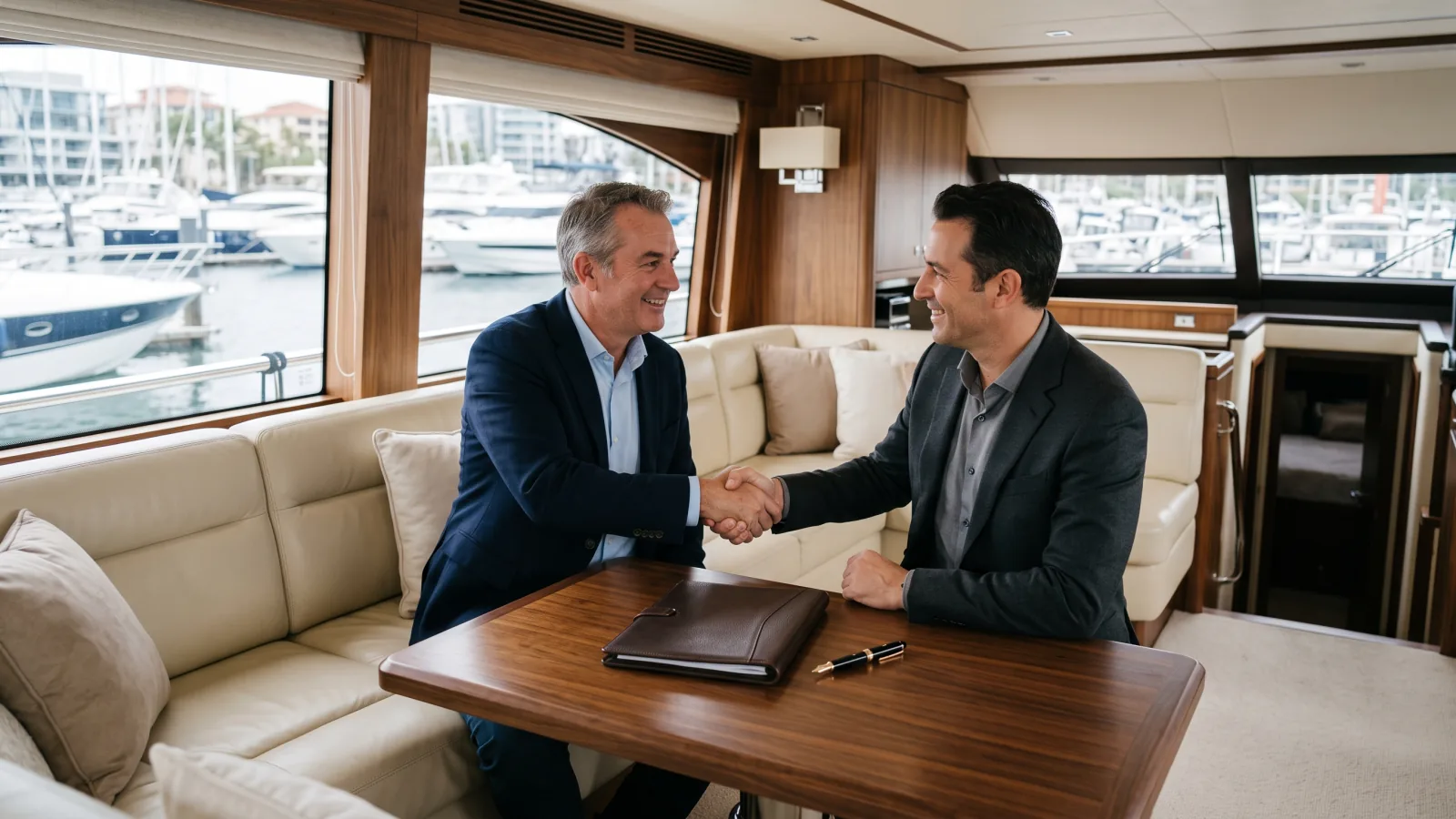
How to Become a Yacht Broker: Step by Step
There is no single mandatory path in most countries, but most brokers follow a similar sequence.
1. Build Real Knowledge of Boats
Many brokers come from the water: former crew, captains, delivery skippers, or people who grew up sailing. Others come from sales and learn the product on the job. Either way, credibility with buyers depends on understanding boats, so time spent on board, at shipyards and at boat shows is an investment.
2. Join an Established Brokerage
Starting inside an established brokerage house is the most common route. New brokers usually begin as sales associates, learning how listings, contracts and closings work, and benefiting from the brokerage's reputation, listings and marketing budget.
3. Check Licensing Requirements Where You Work
Licensing depends entirely on the jurisdiction. In the United States, Florida and California license yacht brokers through state authorities, with separate requirements for salespersons and brokers, and applications typically involve background checks and financial guarantees. Other US states and many countries do not have a dedicated yacht broker licence, though general commercial and consumer rules still apply. Always check the current rules with the relevant authority before you start selling.
4. Consider Professional Certification and Membership
Where no licence is required, professional credentials help build trust. In the United States, the Certified Professional Yacht Broker (CPYB) designation is a widely recognised credential. Professional associations such as the Yacht Brokers Association of America, the UK's Association of Brokers and Yacht Agents and MYBA The Worldwide Yachting Association offer codes of practice, standard contracts, training and networking.
5. Build Your Pipeline and Reputation
The first years are about building a pipeline: contacts from boat shows, marinas and yacht clubs, past clients of the brokerage, and a visible presence in the market you want to serve. Referrals from satisfied clients become the most valuable source of business over time.
How Yacht Broker Commission Works
Yacht brokers are typically paid by commission, a percentage of the sale price paid when the deal closes. Sales commissions are commonly quoted around 10% of the sale price, with lower percentages often negotiated on larger and more expensive yachts. The exact rate is always set in the listing agreement.
That percentage is rarely kept by one person. A commission is usually divided in two stages:
- Between brokerages, when the listing broker and the selling broker work for different companies and share the commission under a co-brokerage arrangement.
- Between the broker and the brokerage house, according to the broker's agreement with their employer.
A Simple Illustration
Imagine a yacht sold for 500,000 at a 10% commission, with the listing and selling brokers from different firms splitting it equally. The total commission is 50,000; each side receives 25,000; and each broker then shares their part with their own brokerage house according to their agreement. The headline commission and the broker's personal income are very different numbers, which is why understanding the split matters before accepting a position.
Charter Commission
Charter brokers are also paid by commission, calculated on the charter fee. In the large-yacht charter market, commission structures are often based on standard charter agreements, with the commission shared between the retail charter broker and the central agent who manages the yacht's charter programme.
What Does a Yacht Broker Earn?
Because most brokers are paid on commission, there is no fixed yacht broker salary. Some brokerages offer a modest base salary or a draw against future commission for new brokers; many do not. Income depends on a few variables:
- Deal volume: how many transactions close in a year.
- Average sale price: the segment of the market the broker works in.
- Commission split: the arrangement with co-brokers and with the brokerage house.
- Market conditions: used-yacht demand, interest rates and currency movements.
- Time in the business: established brokers close more deals from repeat clients and referrals.
The honest picture is that the first one to two years are often lean, because sales cycles are long and a new broker's pipeline takes time to mature. Brokers who build a strong client base can earn very well, but income tends to be uneven from year to year.
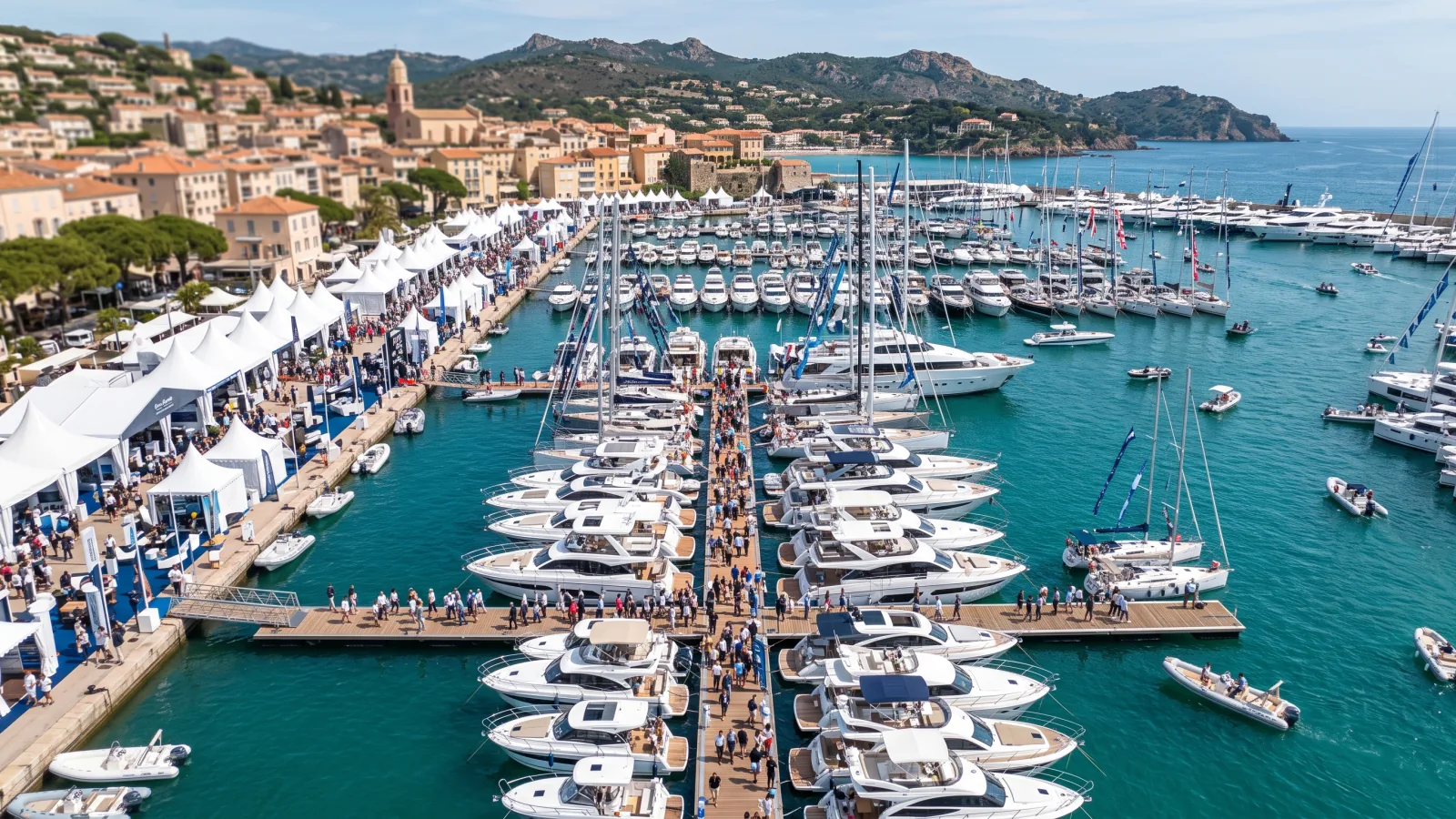
The Sale Process a Broker Manages
Understanding the transaction step by step is part of the job. A typical used-yacht sale moves through these stages:
- Listing agreement with the seller, including price, commission and exclusivity.
- Valuation and marketing: photos, specifications, listing portals and the broker's network.
- Offer and purchase agreement, usually with a deposit held in a client or escrow account.
- Survey and sea trial, which often lead to renegotiation of price or repairs.
- Acceptance and closing: bill of sale, deregistration and registration, and settlement of funds.
- Handover of the yacht, documents, keys and inventory.
In Europe, the VAT status of the yacht and its registration history are among the most important checks, and brokers work closely with specialist lawyers and registration agents on international deals.
Building a Reputation as a Broker
In a market where many brokers can access the same listings, clients choose the person they trust, not the portal where they found the boat. Reputation is built deliberately, over years, through a few consistent habits:
- Specialise. Becoming the reference for a type of yacht, a builder or a region makes a broker memorable to buyers, sellers and co-brokers.
- Share knowledge. Market updates, buying guides and honest advice on social media or a newsletter show expertise before a client ever calls.
- Be present where boats are. Boat shows, yacht clubs, marinas and shipyards are where relationships with owners, captains and surveyors are formed.
- Speak the client's language. In international markets, languages open doors that no advertising budget can.
- Stay in touch after the sale. Today's buyer is tomorrow's seller, and a client who felt well looked after becomes a source of referrals.
Brokers who invest in these habits early find that their pipeline gradually shifts from cold enquiries to warm introductions, which close faster and with fewer surprises.
Your First 90 Days as a Yacht Broker
The first three months set the habits that decide whether a new broker builds momentum or stalls. A simple, disciplined plan beats waiting for the phone to ring. A realistic 90-day plan looks like this:
- Weeks 1 to 2: learn the inventory. Visit every yacht the brokerage has listed, record the details you would want as a buyer and learn the story behind each boat.
- Weeks 2 to 4: learn the paperwork. Study the brokerage's listing agreement, purchase agreement and closing checklist until you can explain every clause to a client.
- Month 2: build your contact base. Walk the docks, meet marina staff, yard managers, surveyors and captains, and record every conversation in a CRM from day one.
- Month 2: follow up every enquiry within a day. Speed of response is one of the few advantages a new broker has over established competitors.
- Month 3: win your first listing. A modest, well-priced listing that you market properly teaches more than waiting for a large yacht.
- Every week: review your pipeline. Know which leads are active, which need a call and which have gone cold.
Ethics, Trust and Client Money
Yacht transactions involve large sums, international parties and clients who often rely heavily on their broker's advice. A broker's reputation is built as much on integrity as on sales results, and a single badly handled deal can follow a broker for years.
The principles that professional associations and experienced brokers emphasise are consistent:
- Clear disclosure of who the broker represents, especially when the same brokerage acts for both buyer and seller.
- Accurate listings, with specifications, condition and history described honestly.
- Client money handled properly, with deposits held in dedicated client or escrow accounts rather than mixed with operating funds.
- Confidentiality for owners and buyers who value discretion, which is common in the yacht market.
- Written agreements for commission, exclusivity and responsibilities before work begins.
Following these principles is not only the right thing to do. It is also good business, because the yacht market is small and word travels quickly between ports, shipyards and brokerages.
Common Challenges for New Brokers
- Long sales cycles, with months between the first contact and the closing.
- Competition for listings, especially for well-maintained yachts in popular sizes.
- Deals that fall apart after survey, financing or a change of mind.
- Lead management: enquiries arriving from portals, email, WhatsApp and boat shows, and getting lost between them.
- Seasonality, with activity concentrated around the main boat shows and cruising seasons.
Tools Every Modern Yacht Broker Needs
The difference between a broker who follows up every lead and one who forgets half of them is rarely talent. It is usually the system they use to manage clients, listings and deals. A modern broker's toolkit includes:
- A CRM that keeps every client, conversation and preference in one place.
- Vessel listing management, so specifications, photos and documents are accurate and ready to share.
- A visible sales pipeline showing each deal and its stage, from first contact to closing.
- Marketing tools such as brochures that can be produced quickly for each listing.
- Analytics that show where leads come from and which activities turn into sales.
The SupaSailing Broker module brings these together for independent brokers and brokerage firms, with sales pipeline, contact management, vessel listings, a shared inbox, document management, brochure generation and reporting. For a deeper look at how brokers organise their pipeline, read our article on modern yacht brokerage and sales pipelines, and if you are comparing platforms, our guide to the best yacht brokerage software covers the main options.
Frequently Asked Questions
Do you need a license to be a yacht broker?
It depends on where you work. In the United States, Florida and California license yacht brokers and salespersons. Many other jurisdictions have no dedicated yacht broker licence, although professional certification and association membership are strongly recommended.
How much commission does a yacht broker make?
Sales commissions are commonly around 10% of the sale price, often lower on larger yachts. The commission is usually split between the brokerages involved and then between each broker and their brokerage house.
Can you become a yacht broker without boating experience?
Yes, some successful brokers come from sales backgrounds. However, buyers expect product knowledge, so brokers without boating experience need to invest time in learning boats, systems and the market.
How long does it take to become a successful yacht broker?
Most brokers need one to two years to build a pipeline that produces regular closings, because sales cycles are long and referrals take time to develop.
What is the difference between a yacht broker and a charter broker?
A yacht broker helps clients buy and sell yachts. A charter broker arranges charters, matching clients with available yachts for a holiday or event, and is paid a commission on the charter fee.
Final Thought
Becoming a yacht broker is less about the lifestyle and more about patience, product knowledge and relentless organisation. Learn the boats, join a good brokerage, check the licensing rules where you work and build a reputation one client at a time. When your pipeline starts to grow, give it a system that keeps up. To see how the Broker module supports brokers and brokerage firms, request a demo or get in touch.
Related solutions
See how SupaSailing is built around these roles:
See SupaSailing in action
Book a free demo call and discover how one platform can run your charter, marina, fleet, shipyard or brokerage.
Book a Free DemoShare this article