SupaSailing

Dock Master

Berth assignments, arrivals, meter readings, maintenance jobs — handled from a phone on the pontoon, not only from a desk.

Web + Telegram
On the phone
On pontoon
Berth map
Pre-loaded
Arrivals
Reduced
Radio chatter
Marina dock master in a plain navy polo directing an arriving yacht to a berth at golden hour with a VHF radio in hand

A dock master runs the operational front line of a marina — meeting arrivals, allocating berths in real time, managing lines and fenders, coordinating utilities, and being the first face every customer sees.

The front line of the marina

A dock master is where the marina meets the customer. The radio, the pontoon, the docking choreography — all sit on this role.

  • Arrival reception and berthing
  • Line and fender placement
  • Power, water, fuel coordination
  • First-call customer service

Work happens on the pontoon, not at a desk

A dock master cannot run their work from an office computer. The tools have to work from a phone: the web app on a small screen, and a Telegram bot that takes photos and voice notes.

  • Berth map on the phone
  • Drag a boat to another berth
  • Voice notes to the Telegram bot
  • A photo of a fault becomes a maintenance job

The 2026 reality, by the numbers

20-50
Arrivals per peak-season day
5-15 min
Average dock-in time per yacht
Every weather
Work continues in rain, wind, heat
Mobile-first
All work happens on a phone

Less radio chatter, better service

A well-tooled dock master has fewer radio interruptions and more direct customer attention. The two correlate.

  • Pre-loaded arrival schedule
  • Booking details sent by email or SMS
  • Meter readings with photos

What separates the calm dock masters

Calm dock masters share a pattern: the berth map in their hand matches reality. Reactive radio work goes down; proactive customer service goes up. See the Marina module for the full operational scope.

Typically found inside

Mediterranean MarinasYacht Club MarinasHotel & Resort MarinasMunicipal MarinasSuperyacht Marinas
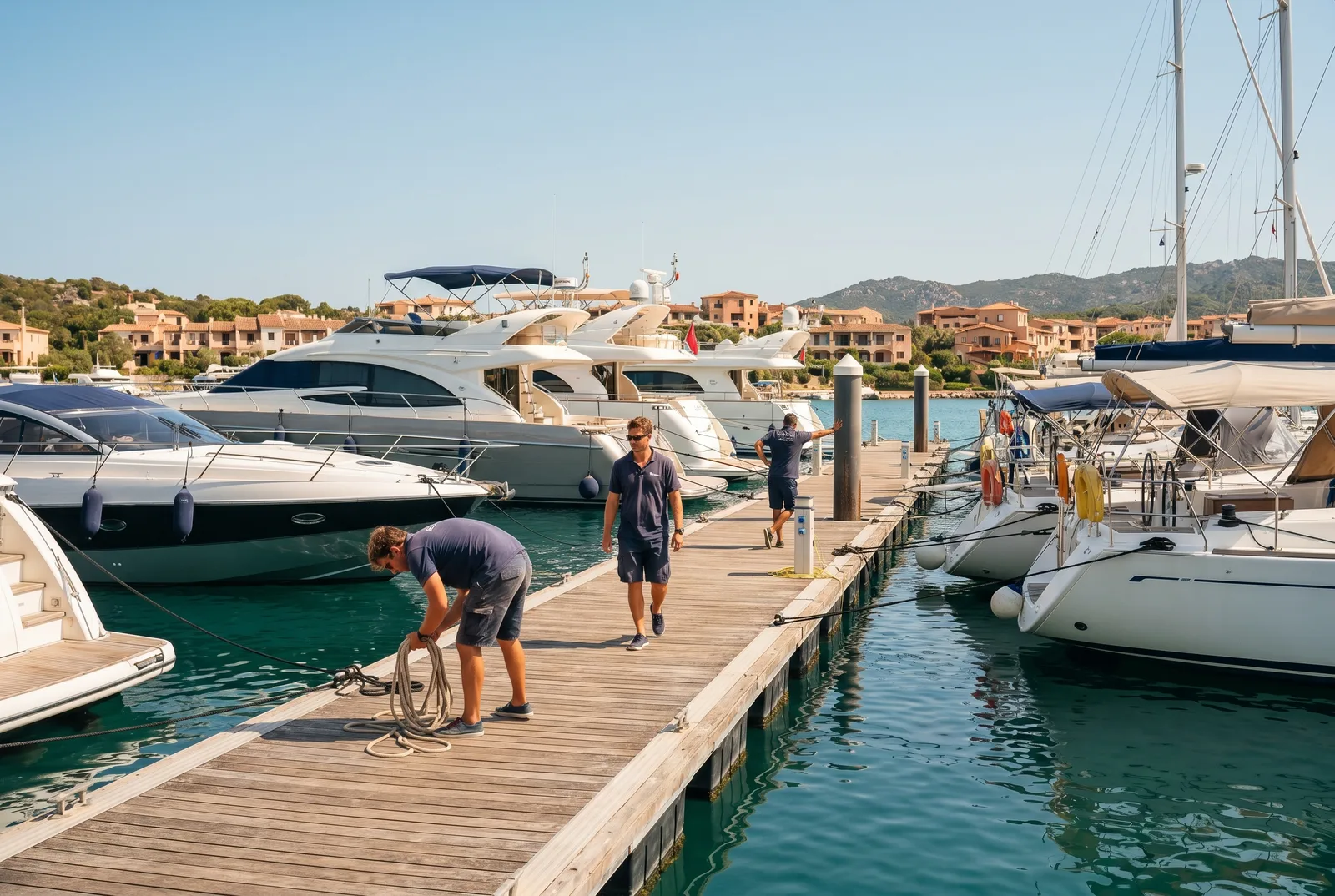
Marina pontoon at midday with multiple yachts in the process of docking and crew tossing lines
Dock master work happens on the pontoon — not at a desk. The platform follows the work, not the other way round.
Daily reality

What this role faces every week

Recurring pain points across dock masters — most reducible by mobile-first tooling that follows the work to the pontoon.

Berth assignment from a whiteboard

Walking to the office to check the whiteboard, then back to the pontoon, twice per arrival.

A live berth map on the phone removes the office trip.

Constant radio interruption

Every transient inquiry comes via radio. The dock master becomes a switchboard instead of a service provider.

Customer waiting in the channel

A boat is 30 minutes out. Where do they go? Without pre-allocated berths, the answer is "stand by".

Utility connection chaos

Power and water need to be live before the boat arrives. Manual coordination with technicians is slow.

Weather-driven re-allocation

Strong wind forecast → some berths become unsafe. Manual re-allocation in a hurry, customer communication scrambled.

Incident logging

A line chafes, a fender pops, a tender clips a hull. Incident reports written hours later, from memory.

On-pontoon photo + voice note capture preserves the truth of what happened.

What SupaSailing does

Built around this exact workflow

SupaSailing's marina module works on the pontoon as well as at the desk: the web app on a phone, plus a Telegram bot for questions, photos and voice notes.

Marina app on your phone

The web app adapts to a phone: today's arrivals and departures, berth map, customer and boat records in hand. Nothing to install.

Berth map and pontoon view

Status of every berth for the chosen date. Drag a boat to another berth; clashes are refused before they are saved.

Arrivals pre-loaded

Customer profile + vessel specs + berth assignment ready before the boat is on radio.

Utilities and meter readings

Which utilities each berth has, whether the boat's power connection matches, and meter readings with photos per berth or service tower.

Photo to maintenance job

Send the Telegram bot a photo with a short caption. It drafts a maintenance job; you confirm before it is filed.

Moving boats at short notice

When wind makes some berths unsafe, move boats in the pontoon view; each new berth is checked for size and free nights.

Booking details by email or SMS

Berth, dates and booking details sent to the customer from the booking, by email or SMS.

Arrival check-in

Mark the booking as checked in once the boat is tied up. Documents the customer uploaded and signed beforehand are already on the booking.

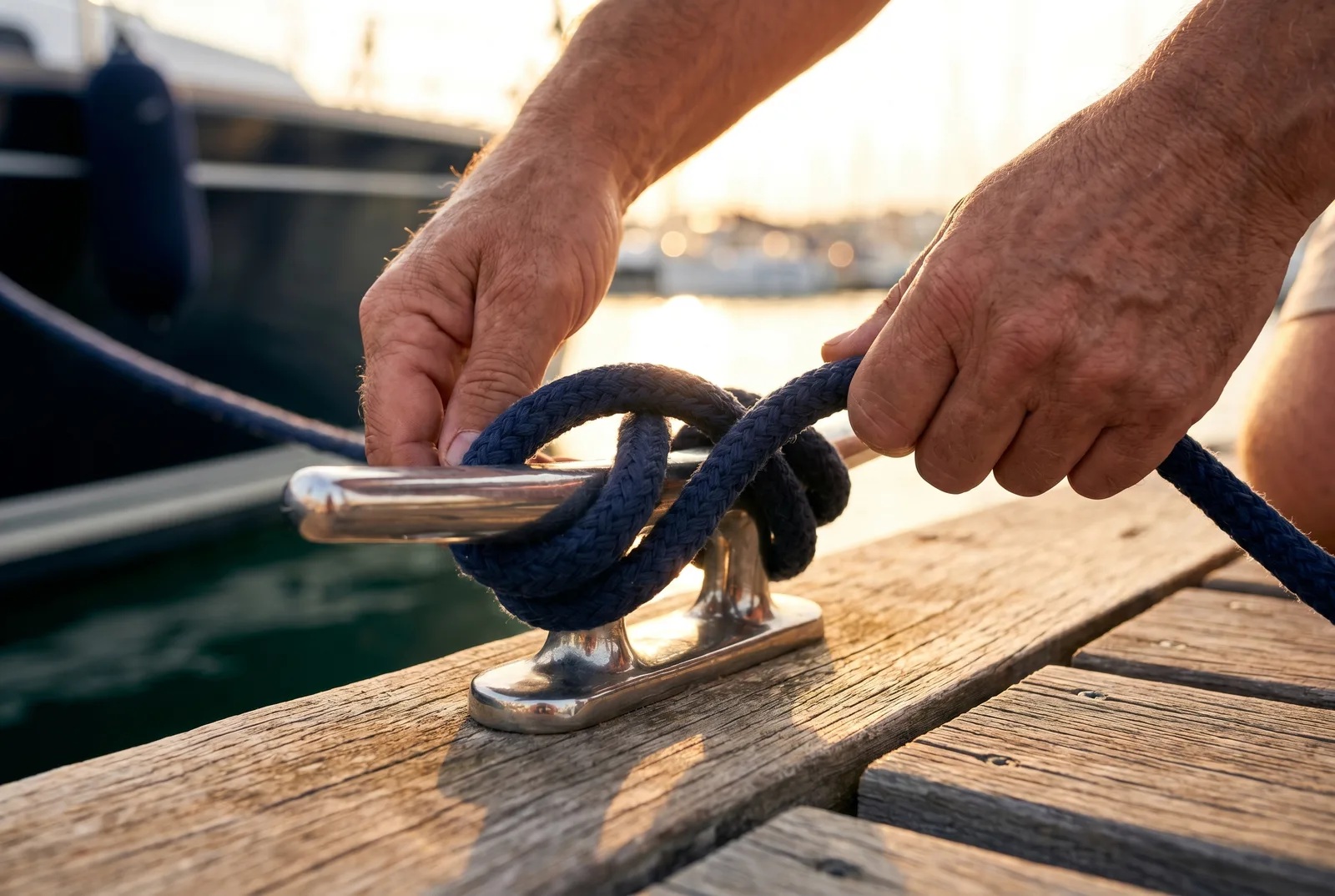
Close-up of hands tying a fender knot on a yacht cleat at sunset
The detail matters. A clean docking experience is what keeps an annual contract holder for ten years.
How it works in practice

A typical workflow with SupaSailing

A representative peak-season day for a dock master on SupaSailing.

  1. 1

    07:00 — Day brief

    Phone shows 22 arrivals today, 14 departures, 2 new berth requests. A strong-wind forecast means 3 boats may need moving.

  2. 2

    09:00 — First arrival

    Customer calls 10 min out. Berth pre-allocated, power connection checked against the boat's, fenders ready.

  3. 3

    10:30 — Walk-up inquiry

    A 40ft yacht walks in. Free berths that fit her are listed. Customer welcomed, customer and boat recorded, berth assigned.

  4. 4

    13:00 — Re-allocation

    Wind picks up. Three boats moved in the pontoon view, each new berth checked for size and free nights. Owners told on the pontoon or by phone.

  5. 5

    15:00 — Incident

    A mooring line has chafed through. Photo sent to the Telegram bot, which drafts a maintenance job; once confirmed it lands in the manager's list with the photo.

  6. 6

    17:00 — Utility coordination

    Two arrivals need a larger power supply. A task is created and assigned to the technician, from the app or the Telegram bot.

  7. 7

    19:00 — Handover to night dock master

    The night dock master opens tomorrow's arrivals, open tasks and maintenance jobs in the app. Nothing lives only in a notebook.

Operational impact

Where the difference shows up

Typical observations from marina dock masters who moved from whiteboard + radio to mobile-first tooling.

Reduced

Radio chatter volume

Arrivals are pre-loaded and booking details go out before the boat arrives.

Prepared

Arrival experience

Berth, boat and customer details are ready before the boat is in the channel.

No channel wait

Average dock-in time

The berth is known before the boat arrives.

From the pontoon

Fault reporting

A photo to the Telegram bot becomes a maintenance job, not a note written hours later.

Before / after

Manual workflow vs SupaSailing

Aspect
Manual workflow
With SupaSailing
Berth assignment
Walk to office whiteboard
Phone in hand, on the pontoon
Arrival prep
Radio + paper notebook
Pre-loaded schedule with customer profile
Customer comms
VHF radio constantly
Booking details by email or SMS; radio for the approach
Utility coordination
Phone the electrician
Task assigned to the technician
Incident logging
Hours later from memory
Photo to the Telegram bot, filed as a job
Weather reallocation
Whiteboard erase + redraw
Boats moved in the pontoon view, clashes checked
Shift handover
Verbal + paper notes
Arrivals, tasks and jobs in one shared app

Frequently asked

Questions about SupaSailing for this role

See SupaSailing on your actual workflow

30-minute demo tailored to a dock master's real use case. If a different platform is a better fit, we'll say so.